Hunting Knife Selection Tips: Choosing the Right Hunting Knife for You
When it comes to outdoor adventures, having the right hunting knife can make all the difference. Whether you’re skinning game, preparing food, or just handling general tasks around the camp, a good hunting knife is an essential tool. But with so many options out there, how do you pick the perfect one? I’ve spent years exploring blades and learning what works best in the field. Let me share some practical tips to help you find the hunting knife that fits your needs perfectly.
Understanding Hunting Knife Selection Tips
Choosing a hunting knife is not just about picking the sharpest blade or the coolest design. It’s about matching the knife to your specific tasks and preferences. Here are some key factors to consider:
Blade Type and Shape: Different blade shapes serve different purposes. Drop point blades are versatile and great for skinning. Clip point blades offer precision for detailed cuts. Gut hooks are handy for field dressing.
Blade Material: Stainless steel resists rust and is easy to maintain, while carbon steel holds an edge longer but requires more care.
Handle Material and Grip: Comfort and grip are crucial. Handles come in wood, rubber, micarta, and synthetic materials. Choose one that feels secure in your hand, even when wet.
Blade Length: Most hunting knives range from 3 to 5 inches. A shorter blade offers control, while a longer blade can handle bigger tasks.
Fixed vs. Folding: Fixed blades are stronger and more reliable for heavy-duty work. Folding knives are compact and easier to carry but may not be as sturdy.
Think about the environment you’ll be in and the type of game you’ll be hunting. This will guide your choice in blade size and features.

How to Choose a Hunting Knife That Fits Your Style
Everyone’s needs are different, so it’s important to find a knife that feels right for you. Here’s how I approach it:
Test the Grip: Hold the knife as if you’re using it. Does it feel balanced? Is the handle comfortable? A good grip reduces fatigue and improves safety.
Check the Weight: A heavy knife can be tiring to use, but a very light one might not be durable enough. Find a balance that suits your strength and tasks.
Look for Quality Craftsmanship: Inspect the blade and handle for solid construction. A well-made knife will last longer and perform better.
Consider Maintenance: Some knives need more upkeep. If you want low maintenance, stainless steel with a synthetic handle might be best.
Think About Sheath and Carry Options: A good sheath protects your blade and makes carrying easier. Look for durable materials and secure fastenings.
If you want to dive deeper into the details, check out this guide on how to choose a hunting knife.
Blade Materials and Their Impact on Performance
The blade material affects sharpness, durability, and maintenance. Here’s a quick rundown of popular options:
Stainless Steel: Resistant to rust and corrosion. Easy to clean and maintain. Ideal for humid or wet environments.
Carbon Steel: Holds a sharper edge longer but can rust if not cared for. Preferred by many for its cutting performance.
Tool Steel: Very hard and durable, often used in high-end knives. Requires regular maintenance.
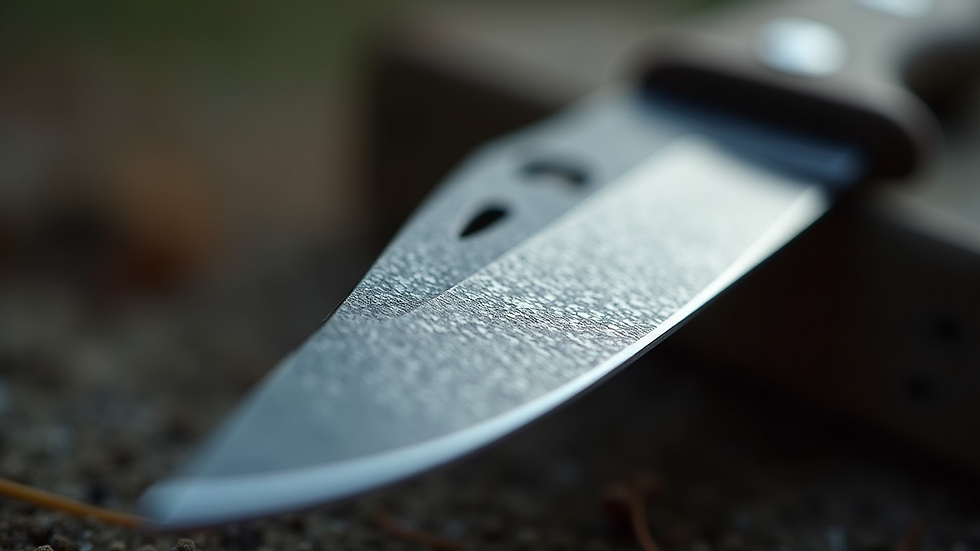
Damascus Steel: Known for its beautiful patterns and strength. Combines different steels for a balance of toughness and sharpness.
Choosing the right blade material depends on your willingness to maintain the knife and the conditions you expect to face.
Handle Materials and Comfort
The handle is where you connect with your knife. Comfort and grip are vital, especially during long use. Here are common handle materials:
Wood: Classic and attractive. Can be slippery when wet unless textured.
Rubber: Provides excellent grip, even when wet. Great for slippery conditions.
Micarta: A composite material that is durable and offers a good grip.
G-10: A fiberglass-based laminate that is tough and lightweight.
Bone or Antler: Traditional and stylish but may require more care.
Try to hold different knives to see which handle feels best. Remember, a secure grip can prevent accidents and improve your cutting precision.
Fixed Blade vs. Folding Knife: Which One Should You Choose?
This is a common question among knife enthusiasts. Both types have their pros and cons:
Fixed Blade Knives:
- Stronger and more durable.
- Easier to clean.
- Better for heavy-duty tasks like skinning and chopping.
- Usually come with a sheath for safe carrying.
Folding Knives:
- Compact and easy to carry in a pocket.
- Can be safer to carry when folded.
- May not be as strong or reliable for tough tasks.
- Require more maintenance to keep the folding mechanism smooth.
For serious hunting and outdoor use, I usually recommend a fixed blade. It’s more reliable when you need it most.
Final Thoughts on Finding Your Perfect Hunting Knife
Choosing the right hunting knife is a personal journey. It’s about finding a tool that feels like an extension of your hand and suits your outdoor lifestyle. Remember to consider blade shape, material, handle comfort, and whether you want a fixed or folding knife. Take your time to test different options and think about the tasks you’ll face.
A well-chosen hunting knife will serve you well for years, making your outdoor adventures safer and more enjoyable. Keep exploring, learning, and sharpening your skills - both with your knife and your knowledge.
Happy hunting and happy blade chasing!


Comments